
There’s a saying that goes: “Treat your house like a machine, not a monument.” A machine you maintain regularly. A monument you only pay attention to when something crumbles.
In Kenya, where we deal with two rainy seasons, intense heat, hard water, dusty harmattan winds, and ageing infrastructure in many estates, that distinction matters even more. Homes here work hard. They need owners who do too.
The good news? Most home maintenance is not expensive or complicated — when you do it on schedule. The problems that cost Ksh 50,000 to fix almost always started as Ksh 2,000 problems that were ignored for six months.
This guide gives you a complete, practical home maintenance checklist Kenya built specifically for Kenyan homes — whether you own a standalone bungalow in Karen, a maisonette in Ngong Road, or a flat in Kasarani. Use it as your annual reference. Save it. Print it. Share it with your caretaker.
Before You Start: The 3 Most Important Things to Know About Your Home
Before any maintenance schedule can work, every homeowner in Kenya needs to know three things — and shockingly few do:
1. Where is your main water shutoff? This is the valve that stops all water flow to your property in an emergency. If you don’t know where it is, find it today — before a pipe bursts at midnight. (In apartments, ask your caretaker. In standalone homes, it’s usually near your water meter.)
2. Where is your main electrical distribution board (DB board)? This is the panel with the circuit breakers. You need to know where it is and how to trip the main breaker in an emergency. Never let a fundi work on your electrical system without you knowing where this is.
3. What is the age of your roof? Iron sheet roofs in Kenya typically last 15–25 years before rust becomes a structural issue. Tile roofs last much longer but need periodic re-grouting and sealant. If you don’t know how old your roof is, have it inspected.
Knowing these three things puts you ahead of 80% of Kenyan homeowners.
Monthly Maintenance Checklist
These are quick checks — most take under 30 minutes in total and can catch problems before they become expensive:
🔵 Plumbing & Water
- Check under all sinks for drips or moisture (kitchen, bathroom, utility room)
- Check toilet cisterns — a running toilet wastes up to 200 litres a day and is usually a Ksh 800 fix
- Test all taps for drips; a dripping tap wastes 15–30 litres daily
- Check overhead tank water level and that the float valve cuts off correctly
- Inspect visible pipes for rust stains, mineral deposits, or damp patches on walls
- Pour a bucket of water down floor drains to prevent sewer smell (dry traps)
→ Related guide: How to Fix Common Plumbing Problems in Your Kenyan Home (coming soon)
🟡 Electrical
- Test all ELCB/RCD safety switches (press the test button on your DB board — the power should trip)
- Check that outdoor lights, security lights, and gate lights are working
- Look for any discoloured or warm switches and sockets — these indicate a loose connection
- Check your extension lead/multi-plug situation — overloaded multi-plugs are a leading cause of house fires in Kenya
🟢 Security & Access
- Test all door and window locks
- Check that your gate motor and remote are working
- Test your alarm system if you have one
- Check CCTV cameras — clean lenses with a soft cloth
🔴 General
- Check for any new cracks in walls or ceilings (new cracks appearing quickly can indicate structural movement)
- Clear any leaves or debris from gutters if accessible and safe to do so
- Check that drainage channels around the house are clear
Quarterly Maintenance Checklist (Every 3 Months)
These tasks need a bit more time — plan a weekend morning every quarter:
🔵 Plumbing & Water
- Clean shower heads and tap aerators (soak in white vinegar overnight to dissolve mineral deposits)
- Check under-sink p-traps for slow drains and clean if needed
- Inspect washing machine hose connections for cracks or bulges
- Check water heater for any drips at the pressure relief valve or connections
- If you have a borehole: check pump operation, listen for unusual noises, check water pressure
→ Related guide: How to Maintain Your Borehole or Water Tank (coming soon)
🟡 Electrical
- Clean ceiling fan blades (dust build-up reduces efficiency and can cause wobbling)
- Check all light fittings — replace flickering bulbs promptly (flickering indicates connection issues, not just a dead bulb)
- Test smoke detectors if fitted and replace batteries annually
- Check outdoor socket covers are watertight
🟤 Structure & Exterior
- Walk the perimeter of your home and look for new cracks, spalling plaster, or damp patches on external walls
- Check fence posts for signs of rusting or movement
- Clear vegetation growing against the house walls (plants hold moisture against walls and cause damp)
- Check condition of driveway/paving — cracks can worsen through the rainy season
🟢 Pest Control
- Check for termite activity — look for mud tubes on walls, hollow-sounding wood, or discarded wings near windows
- Check for rodent droppings in kitchen cupboards and utility areas
- Ensure drainage covers are intact and not cracked (breeding ground for mosquitoes)
Bi-Annual Checklist (Twice a Year — March and September)
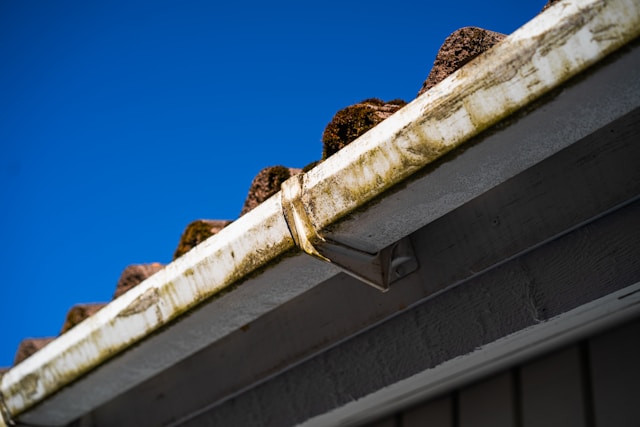
In Kenya, these checks align perfectly with our two main rainy seasons — long rains (March–May) and short rains (October–December). Do this list in March (before long rains) and September (before short rains).
Pre-Rainy Season Checks
Roof
- Inspect roof from inside (attic or top floor) for light coming through — any light means a hole
- Check for loose or missing iron sheets — walk carefully on the roof or hire someone to do it
- Check all roof flashing (the metal strips at junctions) for rust or lifting
- Clear gutters completely — a blocked gutter in heavy rain can push water under the roofline
- Check downpipe connections and ensure they drain away from the house foundations
→ Related guide: Roof Repair in Kenya: Signs, Costs & How to Find a Contractor (coming soon)
Drainage
- Walk around the property after a light rain and see where water pools — pooling near foundations is a serious problem
- Clear all surface drainage channels
- Check manhole covers are seated properly and not cracked
- If you have a septic tank: check last pump-out date; most tanks need emptying every 1–3 years
→ Related guide: How to Maintain Your Septic Tank in Kenya (coming soon)
Windows and Doors
- Check all window frame seals — cracked sealant lets rain water in and causes wall damp
- Test that all windows and doors close and seal properly
- Check window fly-screens for tears (mosquito season follows the rains)
Painting
- Check external plaster for cracks — fill before the rains to prevent water ingress
- Check if external paint is peeling, especially on south-facing walls
→ Related guide: Painting Your House in Nairobi: Costs, Tips & Hiring Painters (coming soon)
Annual Checklist (Once a Year)
These are bigger tasks to schedule once a year, usually during the dry season when contractors are more available and work goes faster.
Plumbing — Annual Deep Check
- Have a fundi inspect all concealed pipework (especially in older homes)
- Check condition of galvanised iron pipes — if your home is over 15 years old and still has iron pipes, consider planning a replacement to modern CPVC or PPR
- Service your water booster pump if you have one
- Inspect water storage tanks inside and out — clean if algae or sediment is present
- Check condition of all tap and toilet fittings — replace worn washers and seals before they fail
Electrical — Annual Safety Inspection
- Have a licensed electrician do a basic check of your DB board, especially if your house is over 10 years old
- Check condition of all visible wiring — look for cracked insulation, exposed conductors, or burning smell near sockets
- Test earth connections (this requires a meter; get an electrician)
- Review your KPLC prepaid meter condition — dust and pest ingress can cause faults
→ Related guide: Electrical Safety Checks Every Kenyan Homeowner Should Do (coming soon)
Structural
- Commission a professional visual inspection of your foundation if you notice new cracking
- Check condition of all concrete lintels above windows and doors (sagging lintels cause cracking)
- Inspect all ironwork (gates, balconies, window grilles) for rust — treat and repaint before rust becomes structural
Pest Control
- Annual professional termite inspection (Ksh 3,000–8,000 for most homes) — far cheaper than treating an infestation
- Check roof void for bat or bird nesting — these carry parasites and cause ceiling stains
- Check under floor boards if you have a timber-floor section
Painting — Every 3–5 Years
- External repaint: quality paint with anti-fungal additive is essential in Kenya’s humid climate
- Internal repaint: kitchens and bathrooms need moisture-resistant paint
The Kenyan Homeowner’s Seasonal Quick Reference
| Season | Priority Task |
|---|---|
| January–February (Dry) | Annual structural check, repaint, major electrical work |
| March (Pre-long rains) | Roof inspection, gutter clearing, drainage check, window sealing |
| April–May (Long rains) | Monitor for leaks, clear drainage regularly |
| June–August (Cool dry) | Pest control, plumbing deep check, exterior maintenance |
| September (Pre-short rains) | Repeat pre-rain checks from March |
| October–December (Short rains) | Monitor roof and drainage, fix identified issues |
How Much Should You Budget for Home Maintenance in Kenya?
A widely used rule in property management is the 1–2% Rule: budget 1–2% of your home’s value per year for maintenance. For a home worth Ksh 8 million, that’s Ksh 80,000–160,000 annually.
In practice for a typical Nairobi home:
| Maintenance Type | Typical Annual Cost |
|---|---|
| Routine plumbing (taps, toilets, minor fixes) | Ksh 5,000 – 15,000 |
| Electrical (minor repairs, bulbs, safety checks) | Ksh 5,000 – 12,000 |
| Painting (external every 4 years = annual portion) | Ksh 8,000 – 25,000 |
| Pest control (annual professional treatment) | Ksh 5,000 – 12,000 |
| Roof check and minor repairs | Ksh 3,000 – 10,000 |
| Drainage and septic maintenance | Ksh 5,000 – 15,000 |
| Total typical range | Ksh 31,000 – 89,000/year |
This sounds like a lot until you compare it with: one burst pipe that floods two floors (Ksh 40,000+), a roof replacement (Ksh 200,000+), or a termite infestation remediation (Ksh 80,000–200,000).
Maintenance is cheap. Neglect is expensive.
Should You Do It Yourself or Hire a Fundi?
Here’s an honest breakdown:
| Task | DIY? | Hire a Fundi? |
|---|---|---|
| Replace a tap washer | ✅ If you’re handy | ✅ If you’d rather not |
| Unblock a sink | ✅ Usually fine | ✅ For stubborn blockages |
| Fix a burst pipe | ❌ Temporary fix only | ✅ Yes — call a plumber |
| Check and reset DB board | ✅ Reset a tripped breaker | ✅ For anything else |
| Electrical wiring or socket work | ❌ Dangerous and illegal | ✅ Licensed electrician only |
| Roof inspection | ⚠️ Only if safe to access | ✅ Recommended |
| Painting interior walls | ✅ Manageable project | ✅ For large areas or exterior |
| Termite treatment | ❌ DIY treatments are ineffective | ✅ Professional treatment only |
Find a trusted fundi for any home maintenance job →
Printable Checklist Summary
💡 Tip for WordPress publishers: Add this section as a styled table or download a PDF version as a lead magnet to collect email subscribers.
Monthly: Drips/leaks · Running toilet · Overhead tank · ELCB test · Locks & security · Wall cracks
Quarterly: Shower heads · Water heater · Electrical fittings · Perimeter walk · Pest signs · Fan blades
Pre-Rains (March & September): Roof · Gutters · Drainage · Window seals · External cracks · Downpipes
Annually: Pipe condition · Electrical safety · Structural inspection · Pest control · Repaint planning
Frequently Asked Questions
How much does home maintenance cost per year in Kenya?
For a typical Nairobi home, budget Ksh 30,000–90,000 per year for routine maintenance. This covers plumbing, electrical, pest control, minor painting, and drainage. Major items like roof replacement or pipe replacement are separate capital expenses.
When should I repaint my house in Kenya?
External paint in Kenya typically lasts 3–5 years depending on sun, rain exposure, and paint quality. Internal paint lasts 5–8 years. Use anti-fungal, weather-resistant paint for exteriors. Nairobi’s two rainy seasons accelerate paint degradation, especially on south and east-facing walls.
How do I find a reliable fundi for home maintenance in Kenya?
The most reliable method is using a verified directory where you can read real reviews from other homeowners. The Fundi Flani directory lists verified plumbers, electricians, painters, and general handymen across Nairobi — with real customer ratings.
How often should a septic tank be emptied in Kenya?
Most household septic tanks in Kenya need emptying every 1–3 years, depending on size and household usage. Signs it needs emptying sooner include slow draining toilets, gurgling drains, or bad smells around the tank area.
Is termite treatment really necessary every year?
An annual inspection is recommended — especially in Nairobi where termite activity is high. Annual treatment is only necessary if you have a known infestation or are in a very high-risk area. A professional inspection (Ksh 3,000–8,000) will tell you if active treatment is needed.
What is the most overlooked home maintenance task in Kenya?
Gutter cleaning. Most homeowners remember to check the roof but forget that blocked gutters cause just as much damage — water backing up under the roofline, overflowing against walls, and causing damp. Clean gutters before every rainy season.
The Bottom Line
A well-maintained Kenyan home is not about perfection — it’s about consistency. Small, regular checks catch problems early, when they’re cheap. Ignored problems compound, and what was a Ksh 500 tap washer becomes a Ksh 20,000 pipe replacement.
Use this checklist as your annual system. Set calendar reminders for the quarterly and seasonal tasks. And when you need a fundi — for plumbing, electrical, painting, or anything else — make sure you’re hiring one with real reviews and verified contact details.
Find a trusted fundi for your next maintenance task: 👉 Browse the Fundi Flani directory →
Verified contacts · Real customer reviews · Filter by your Nairobi area
More guides in this series:
- How to Maintain Your Borehole or Water Tank → (coming soon)
- Roof Repair in Kenya — Costs & How to Find a Contractor → (coming soon)
- Electrical Safety Checks Every Kenyan Homeowner Should Do → (coming soon)
- How to Maintain Your Septic Tank in Kenya → (coming soon)
- Painting Your House in Nairobi: Costs & Tips → (coming soon)
About This Article
Written by the Fundi Flani editorial team. Fundi Flani is Kenya’s leading verified directory for trusted home-service professionals.
Sources: Kenya Power (KPLC) — Safety Information · National Construction Authority Kenya · Nairobi City Water and Sewerage Company